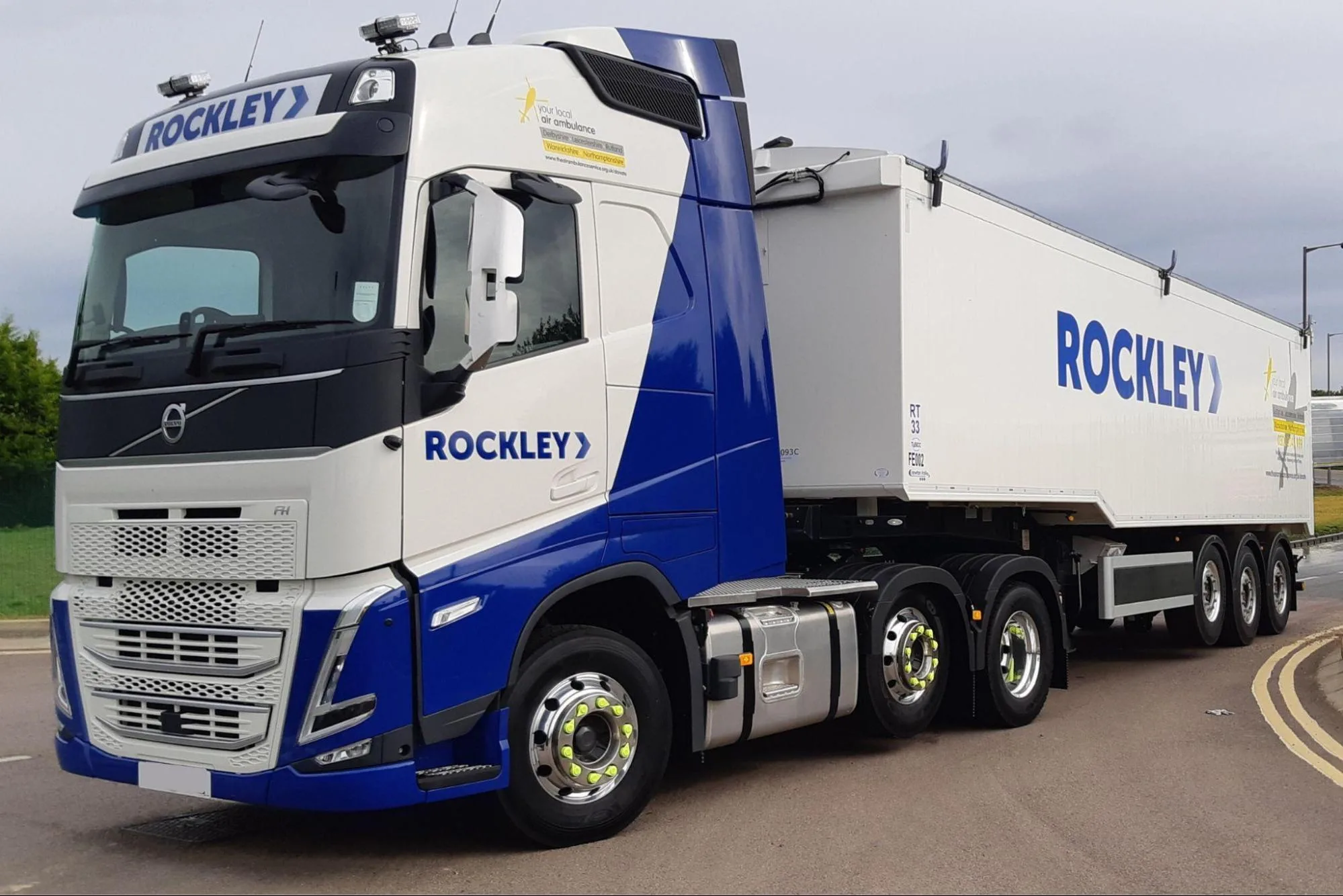
The Future of Heavy Haulage in the UK
What does the future of heavy haulage in the UK look like as sustainability, technology, and efficiency take centre stage? Once focused mainly on scale, the industry is now being remodeled.
Construction growth and stringent environmental regulations are making older models obsolete. At the same time, clients want faster turnarounds, clearer visibility, and lower emissions without higher costs.
Responding to these pressures, haulage providers are moving toward smarter logistics, cleaner fleets, and data-driven systems that combine efficiency with responsibility.
Against this backdrop, this blog will explore 5 key trends redefining the heavy haulage industry UK and show how leading services are adapting to meet them.
- Future of Heavy Haulage Driven by Higher Payload Efficiency
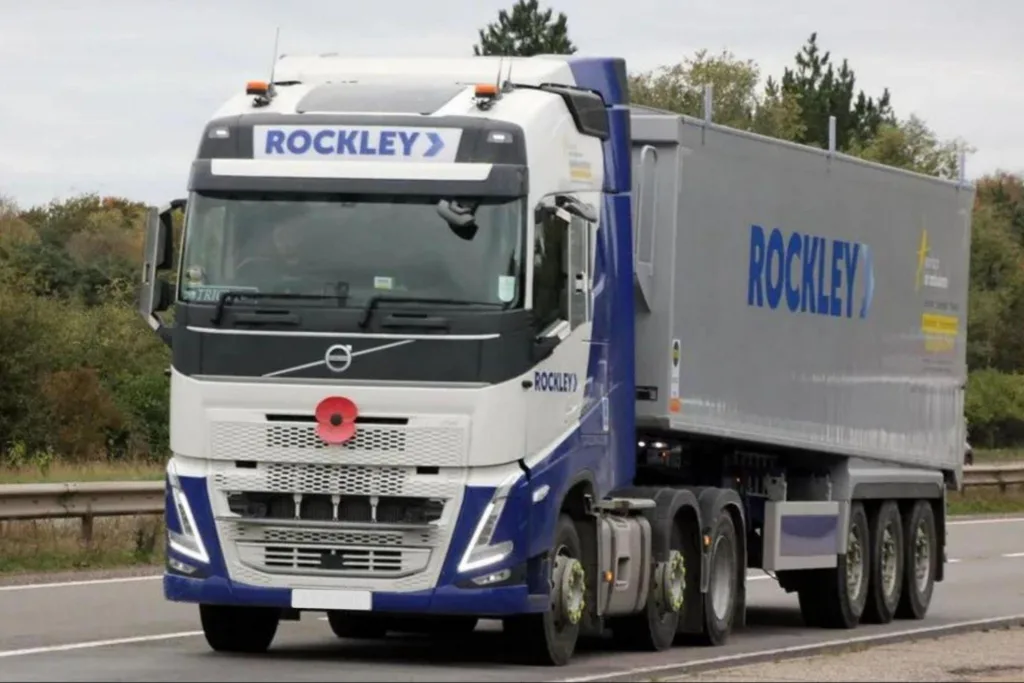
Higher payload capacity is quickly becoming a defining feature of the future of heavy haulage.
Instead of adding more vehicles to their fleets, operators are focusing on moving larger volumes per trip.
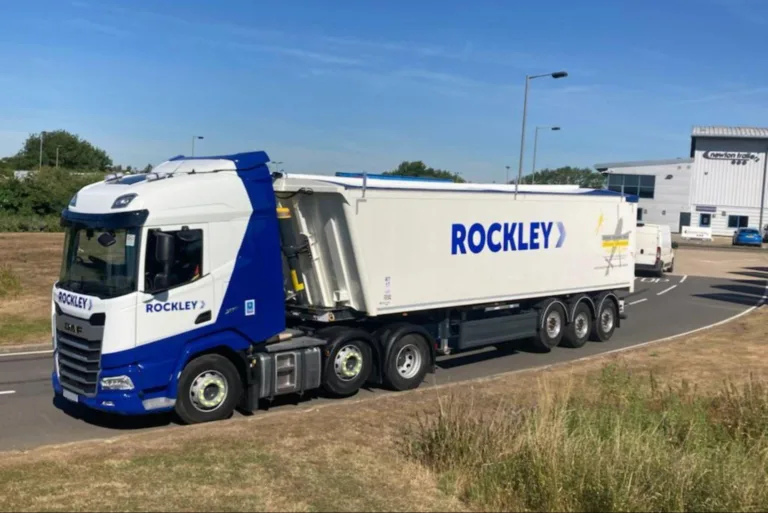
Modern articulated tipping vehicles and ejector trailers can carry up to 30–35% more material than traditional rigid eight‑wheelers, depending on the load type and setup.
Meaning? Fewer journeys are needed to transport the same volume, cutting fuel use, labour hours, and road congestion.
On a per-tonne basis, this model can deliver transport-related emissions that are over 30% lower, making it both economically and environmentally advantageous.
Ultimately, payload efficiency shows how the future of heavy haulage is not about putting more trucks on the road; it’s about smarter, heavier loads per trip, delivering greater value.
- Future of Heavy Haulage Shaped by Sustainability Targets
Sustainability is no longer a long-term ambition. It is actively shaping daily operations across the commercial haulage UK sector.
With the UK legally committed to achieving net-zero emissions by 2050, transport operators are under increasing pressure to reduce their carbon footprint.
Heavy goods vehicles currently account for a significant share of UK road transport emissions, prompting stricter regulations, including low-emission zones and upcoming zero-emission vehicle targets.
In response, the industry is adopting practical, high-impact changes:
- Reducing empty miles through better load coordination.
- Investing in fuel-efficient and alternative-fuel vehicles.
- Optimising delivery routes using real-time data.
- Minimising idle time across fleets.
In most cases, reducing emissions also reduces operational costs, making it a dual benefit rather than a trade-off.
- Technology Leading the Way in Heavy Haulage

Isn’t technology everywhere we look today and reshaping every industry it touches? Heavy haulage is no exception.
More than fleet size, it’s now the intelligence behind fleet management that sets leading operators apart.
Real-time tracking systems, telematics, and AI-driven logistics tools are transforming decision-making across the industry. Instead of reacting to delays, businesses can now predict and prevent them.
Key advancements include:
- Telematics systems that monitor fuel usage, driver behaviour, and route efficiency.
- Predictive maintenance tools that reduce unexpected breakdowns and downtime.
- AI-powered route optimisation that cuts unnecessary mileage.
- Automated load planning that improves vehicle utilisation.
The result is a more controlled, transparent, and efficient operation, something that is becoming increasingly essential as demand continues to rise across the UK heavy haulage industry.
- Future of Heavy Haulage Redefined by Smarter Logistics
At its core, the future of heavy haulage is about optimisation. The aim is no longer just to move goods quickly, but to do so with maximum efficiency and minimal waste.
By consolidating loads, reducing empty return journeys, and using data to plan routes more effectively, operators can achieve more with fewer resources.
According to the UK Department for Transport (DfT), around 29% of HGV mileage in 2024 was “empty running” vehicles travelling without cargo. Smarter logistics strategies, such as back‑loading and better route planning, are designed to significantly reduce this figure.
At the same time, government freight statistics show that UK‑registered HGVs moved over 1.5 billion tonnes of goods domestically in 2024. It highlights the scale of efficiency gains possible even with small improvements.
In practical terms, smarter logistics means:
- Fewer trips for the same workload.
- Lower fuel consumption per tonne.
- Faster and more reliable delivery timelines.
- Reduced environmental impact.
With transport responsible for 24% of UK greenhouse gas emissions, optimising logistics is not just about saving costs; it’s about meeting national sustainability targets.
- Resilience and Flexibility in Heavy Haulage
Recent supply chain disruptions have highlighted a critical need for resilience within the UK heavy haulage industry.
Businesses must be ready to adjust quickly to shifts in demand, regulatory changes, and external shocks such as global trade interruptions or extreme weather events.
The companies that will lead the future of heavy haulage are those that build flexibility into their operations.
It includes scalable fleet models that can expand or contract depending on workload, digitally connected systems that allow real‑time coordination, and strong communication across the supply chain.
In practice, this means:
- Rapidly scaling fleets to meet demand spikes.
- Using digital dashboards to monitor and reroute shipments in real time.
- Building redundancy into supply chains to avoid single points of failure.
- Training teams to respond quickly to regulatory or market changes.
In a sector that underpins the UK economy, resilience is becoming the ultimate competitive advantage.
5 Future Challenges in UK Heavy Haulage
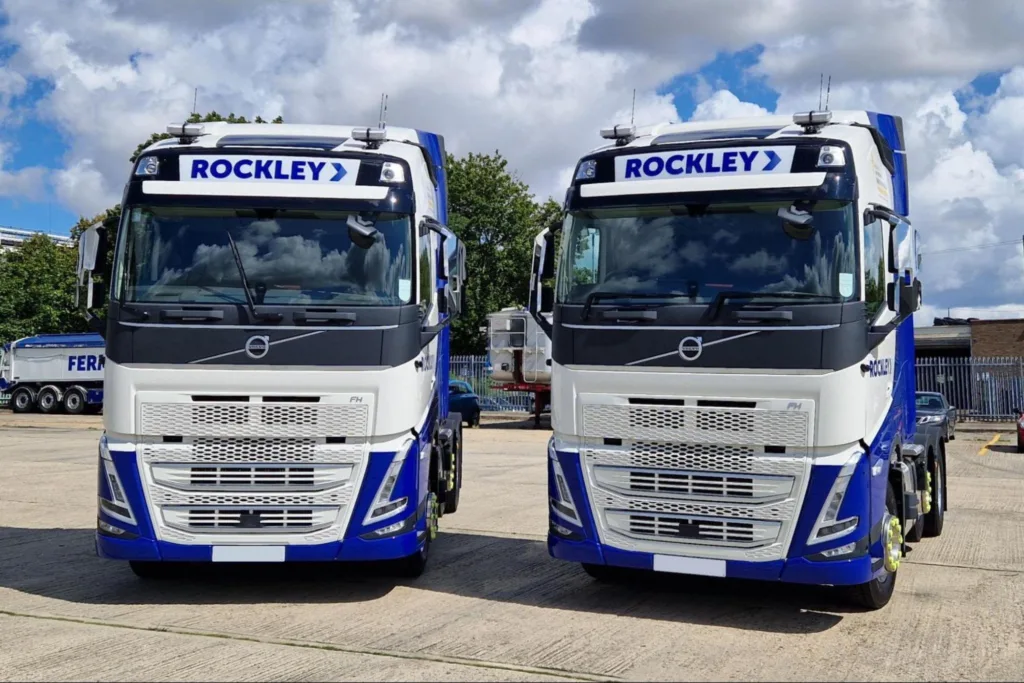
While the outlook is progressive, the future challenges in UK heavy haulage remain significant and cannot be ignored.
| Challenge | Operational Impact |
| Driver Shortage | Reduced fleet utilisation and delays |
| Rising Fuel Costs | Increased cost per journey |
| Emission Regulations | Need for fleet upgrades and compliance with low‑emission zones |
| Growing Demand | Higher pressure on logistics efficiency |
| Infrastructure Strain | Congestion on key freight corridors, limited parking facilities, and road maintenance issues |
Rather than slowing the industry down, these pressures are accelerating innovation, forcing companies to adopt smarter, more resilient models.
Conclusion
Success in the UK heavy haulage will depend on how well you adapt by embracing smarter transport models, investing in technology, and aligning with sustainability goals.
Looking to stay ahead in the future of heavy haulage? We at Rockley Transport deliver high-capacity, efficient bulk haulage solutions designed to reduce the number of journeys, cut emissions, and improve operational performance.
Schedule a booking and contact us to discuss your logistics and move towards a more efficient, future-ready haulage strategy.