How Eco-Friendly Bulk Tipping Services Are Making a Difference
In the UK, the way we handle waste is changing and for the better.
Eco-friendly bulk tipping services are stepping up as a smarter, greener alternative to traditional disposal methods.
By combining efficient waste collection with sustainable recycling practices, these services are helping businesses, communities, and local councils reduce landfill use, cut carbon emissions, and protect natural resources.
From construction and agriculture to industrial waste management, the shift toward sustainable bulk tipping is driving measurable change.
In this blog, we’re going to break down how these services work, the 5 benefits they offer, and a comparison to help you choose the right eco-friendly bulk tipping provider.
What are Eco-Friendly Bulk Tipping Services?
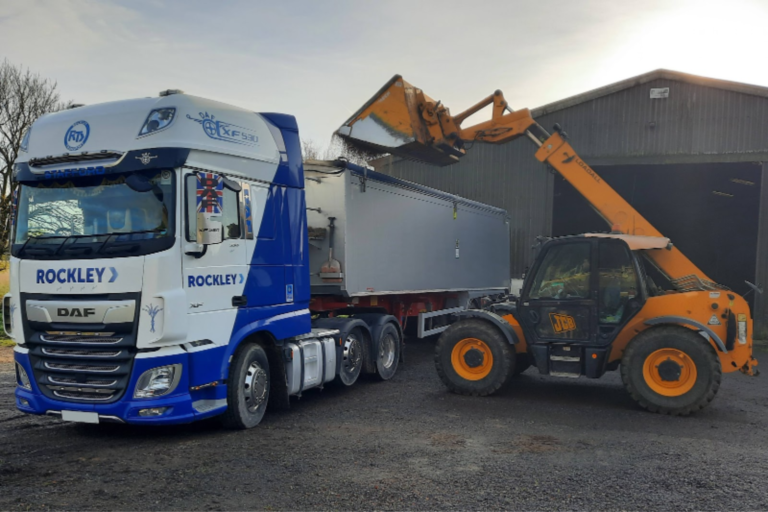
Bulk tipping services involve transporting materials such as soil, aggregates, construction debris, and green waste using specialised vehicles equipped with hydraulic tipping mechanisms.
It includes using fuel-efficient or low-emission vehicles, reducing unnecessary trips, and ensuring that waste is directed toward recycling or reuse rather than being sent to a landfill.
Instead of treating waste as an endpoint, these services view it as part of a larger lifecycle in which materials can be recovered, repurposed, and reintroduced into the economy.
Why Eco-Friendly Bulk Tipping Services Matter?
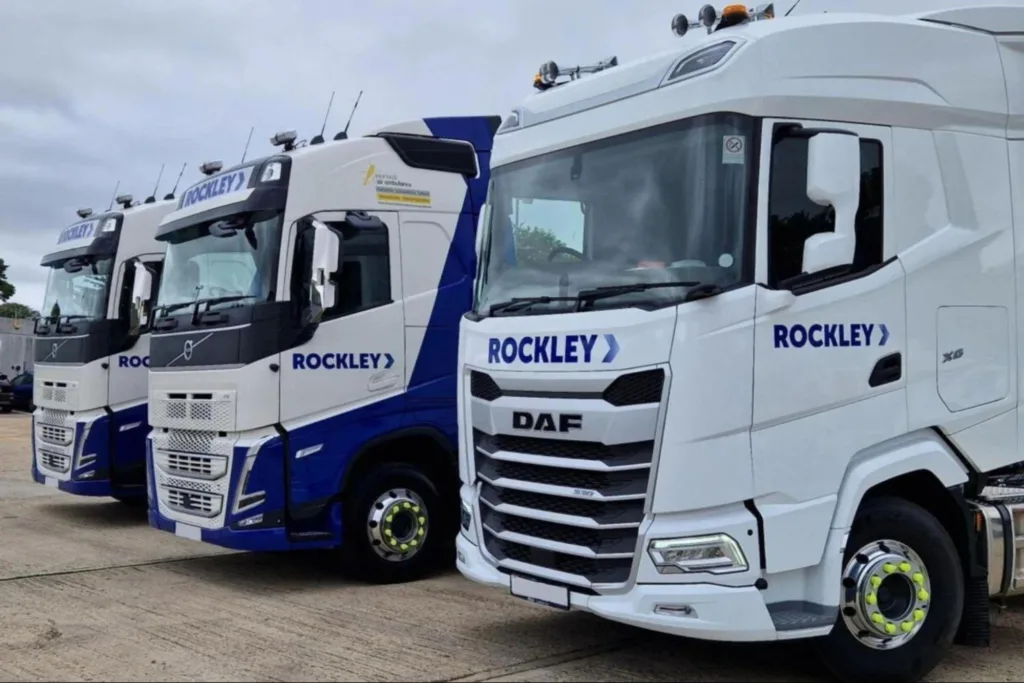
Eco-conscious tipping services are helping to reverse traditional waste-disposal methods by structuring waste management to be more sustainable.
They matter because they address multiple challenges at once:
- Reduction in landfill waste, helping minimise soil and water contamination
- Lower greenhouse gas emissions through optimised transport and fewer trips
- Improved recycling rates, ensuring materials are reused wherever possible
- Better compliance with UK environmental regulations
- Support for circular economy practices, where waste becomes a resource
- Eco‑Friendly Bulk Tipping Services are Efficient & Save Cost
What if choosing the greener option for waste disposal didn’t just help the planet, but actually saved you money too? That’s the surprising reality behind sustainable bulk tipping services in the UK.
Far from being an expensive luxury, these eco-friendly approaches often deliver long-term efficiency gains and cost savings, all while reducing environmental impact.
The efficiency of transporting large volumes in fewer trips directly reduces fuel costs. Faster unloading times mean less labour is required, and projects can move forward without delays.
On top of that, better waste segregation reduces disposal costs, especially when recyclable materials are diverted away from landfill fees.
- Supports Recycling and Responsible Waste Management
A critical component of sustainable tipping lies in how waste is processed after collection. Modern tipping facilities sort materials into categories such as metals, plastics, aggregates, and organic waste.
The structured approach ensures that a significant portion of collected materials is recycled or reused rather than discarded.
Moreover, it prevents contamination between waste types, which can otherwise render recyclable materials unusable.
To maximise these benefits, businesses can adopt 4 simple best practices:
- Pre-segregate waste before collection to streamline processing.
- Choose licensed tipping facilities that prioritise recycling.
- Reduce unnecessary waste generation at the source.
- Work with providers who follow strict UK environmental standards.
- Eco-Friendly Bulk Tipping Services Help Diverse Industries
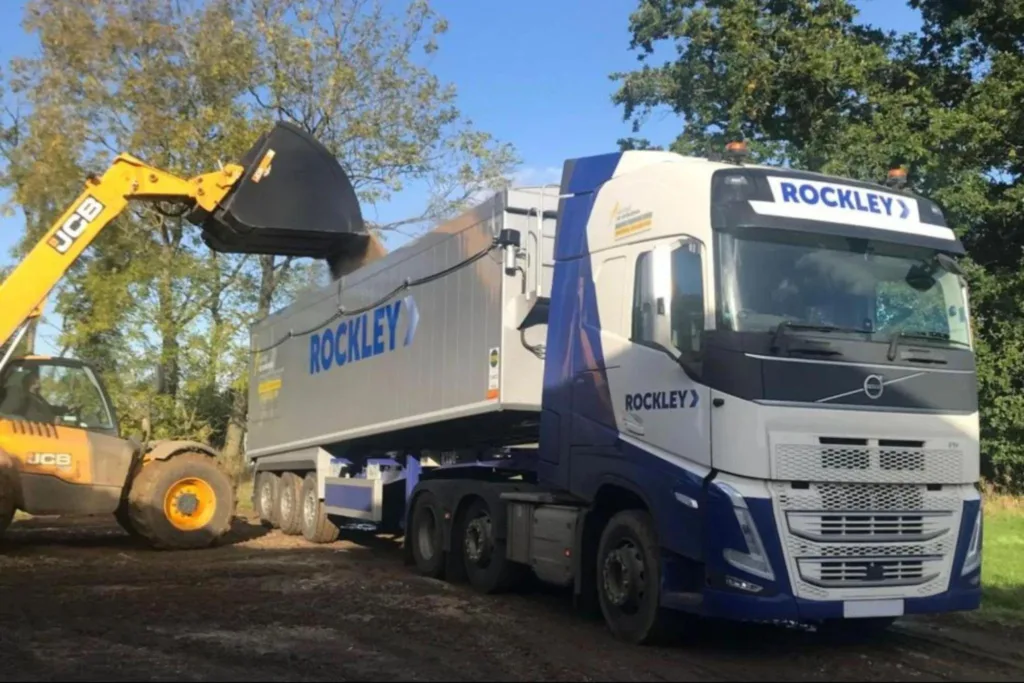
The impact of eco-friendly tipping extends across multiple sectors, particularly those dealing with large volumes of materials.
In construction, these services ensure that debris, rubble, and aggregates are removed efficiently while maximising recycling opportunities. It not only keeps sites safe and organised but also aligns projects with sustainability goals.
In agriculture, bulk tipping is essential for transporting crops, fertilisers, and organic waste. Eco-friendly practices help reduce environmental disruption while maintaining efficiency during critical farming operations.
Similarly, industries such as manufacturing and mining benefit from responsible material transport and disposal, ensuring compliance with UK environmental regulations while maintaining operational continuity.
- Eco‑Friendly Bulk Tipping Drive Down Carbon Footprints
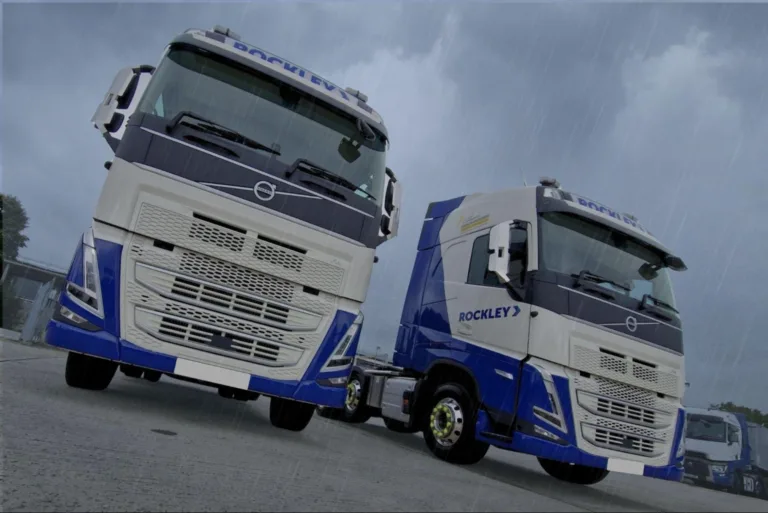
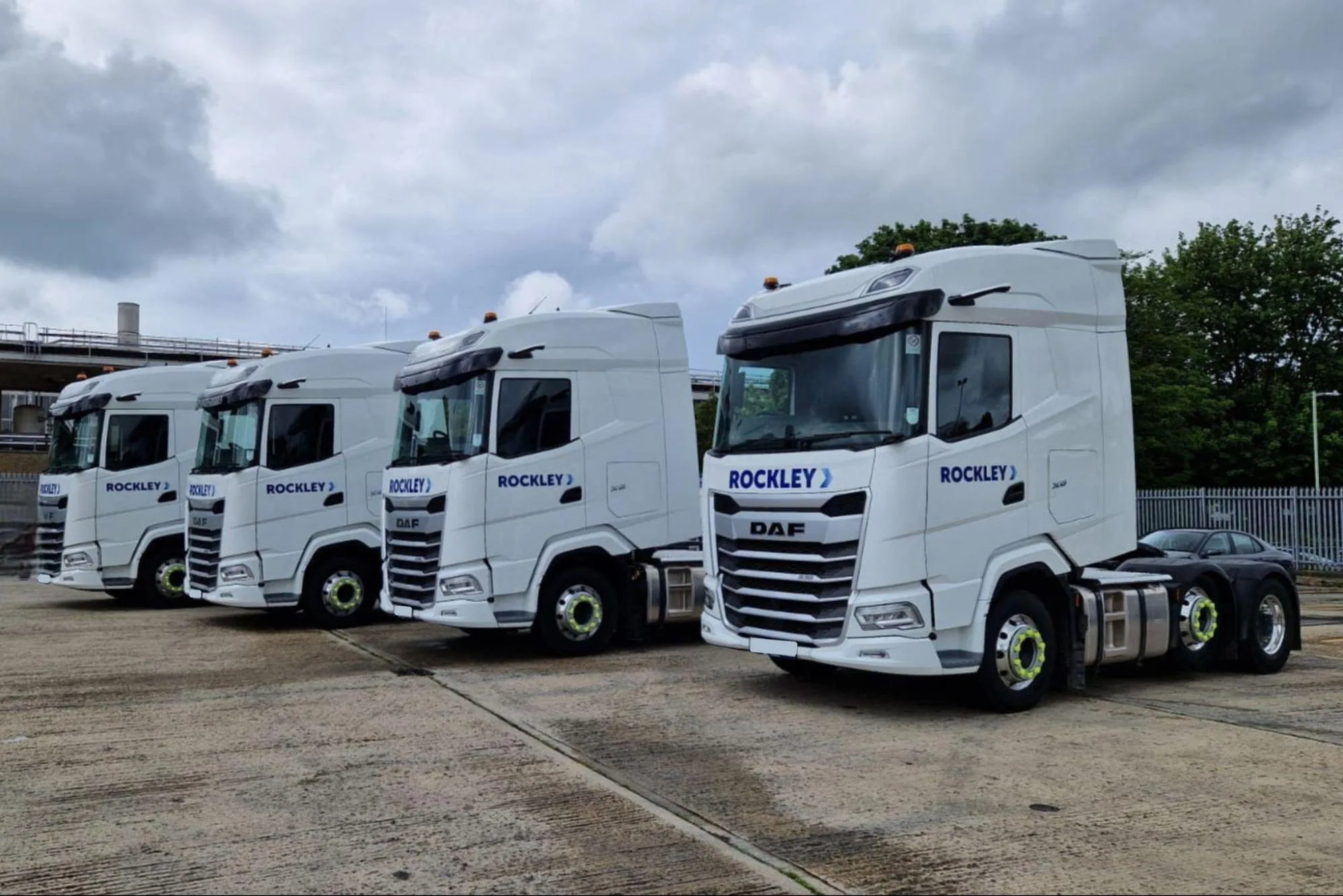
Fleet upgrades, including fuel-efficient engines, electric vehicles, and hybrid tippers, are helping reduce the carbon footprint of large-scale transport operations.
Smart logistics systems, such as GPS tracking and route optimisation, ensure that every journey is as efficient as possible. It reduces fuel consumption while minimising idle time and unnecessary mileage.
Companies investing in these technologies are not only meeting regulatory requirements but also positioning themselves as responsible partners for environmentally conscious clients.
- Eco‑Friendly Bulk Tipping Services Upgrade Safety
By using modern equipment and trained operators, bulk tipping services reduce the risk of accidents during loading, transport, and disposal.
Well‑managed tipping practices also keep sites clear of hazards, ensuring smoother operations and safer working environments.
At the same time, providers who follow strict UK environmental regulations give businesses peace of mind that their waste management processes are fully compliant.
Therefore, you not only avoid costly penalties but also bolster trust with clients and stakeholders who value responsible practices.
Choosing the Right Eco-Friendly Bulk Tipping Service
A reliable bulk tipping haulage service should demonstrate a clear commitment to eco-friendly practices, supported by modern equipment and transparent processes.
Here’s a quick rundown to help guide your bulk-tipping decision:
| Factor | Standard Tipping Services | Eco-Friendly Bulk Tipping Services |
| Fleet Type | Conventional vehicles | Low-emission or fuel-efficient vehicles |
| Waste Handling | Basic disposal | Recycling-focused segregation |
| Efficiency | Multiple trips | Optimised routes and fewer trips |
| Environmental Impact | Higher emissions | Reduced carbon footprint |
| Compliance | Basic standards | Strict environmental adherence |
Frequently Asked Questions (FAQs)

- How does bulk tipping support sustainability?
Bulk tipping haulage reduces the number of transport trips, lowers fuel consumption, and ensures waste is properly sorted and recycled, significantly reducing landfill use and environmental harm.
- Which industries benefit from sustainable bulk tipping?
Industries such as construction, agriculture, manufacturing, and mining benefit most from efficient, large-scale material transport and waste management.
- How can businesses make bulk tipping more eco-friendly?
By choosing responsible service providers, segregating waste before disposal, reducing overall waste generation, and prioritising recycling wherever possible.
Conclusion
As environmental expectations continue to rise, adopting eco-friendly bulk tipping services is no longer just a smart choice; it’s a necessary one.
Ready to take a smarter, more sustainable approach to bulk transport? Partner with us at Rockley Transport to deliver reliable, efficient, and environmentally responsible bulk tipping solutions tailored to your operational needs.
Get in touch with us today to optimise your bulk tipping operations, cut costs, and move towards a greener, more efficient future.