Navigating Regulatory Challenges in Agricultural Haulage: Compliance and Efficiency
Agricultural haulage plays an important role when it comes to the farm-to-market supply, as it ensures that the crops, livestock, and agricultural products are delivered efficiently. However, like other sectors, this sector also faces various regulatory challenges that can impact its productivity and profitability.
In recent years, stricter regulations and evolving standards have increased the pressure on haulage operators to maintain compliance while striving for operational efficiency. For many, this balancing act between adhering to legal requirements and optimising their logistics processes may seem daunting. Non-compliance can result in hefty fines, disruptions in service, and damage to business reputation, while inefficiencies can increase costs and reduce competitiveness in a challenging marketplace.
In this blog, explore the key regulatory challenges faced by agricultural hauliers and understand strategies to improve compliance while maintaining efficiency. By understanding and adapting to these regulatory requirements, operators can ensure smoother operations and contribute to a safer, more sustainable agricultural supply chain.
Understanding Regulations in Agricultural Haulage
Key Regulations Impacting Agricultural Transport
- Goods Vehicle Operator Licensing
In the United Kingdom, one of the agricultural haulage challenges is that agricultural transport operators must hold the appropriate operator’s licence (O-Licence) for vehicles over a certain weight, ensuring that their vehicles are maintained, safe, and meet environmental standards.
- Driver Hours and Tachograph Rules
UK’s regulations require agricultural transport drivers to comply with rules governing working hours, including breaks and rest periods. Tachographs are used to monitor and record drivers’ hours to prevent fatigue-related accidents.
- Health and Safety Compliance
Agricultural transport in the UK must adhere to strict health and safety regulations, including proper vehicle maintenance, safe loading practices, and ensuring the safe transport of hazardous materials, such as chemicals used in farming.
Recent Changes in Legislation
- Increased Emission Standards
Recent UK legislation has introduced stricter emission standards for agricultural vehicles, encouraging the use of cleaner technologies and reducing the environmental impact of agricultural transport.
- Revised Road Safety Regulations
New laws now require enhanced safety features on agricultural haulage vehicles, such as better braking systems and improved visibility, to ensure safer transport of goods on public roads.
- Extended Seasonal Exemptions for Driver Hours
Recent changes have granted temporary exemptions during peak farming seasons, allowing extended working hours for drivers transporting agricultural goods to meet increased demand while maintaining safety.
One of the biggest agricultural haulage challenges is the regulations set by the UK government. However, it is important to understand their impact on the haulage industries.
Impact of Regulations on Small & Large Haulage Companies
- Cost of Compliance
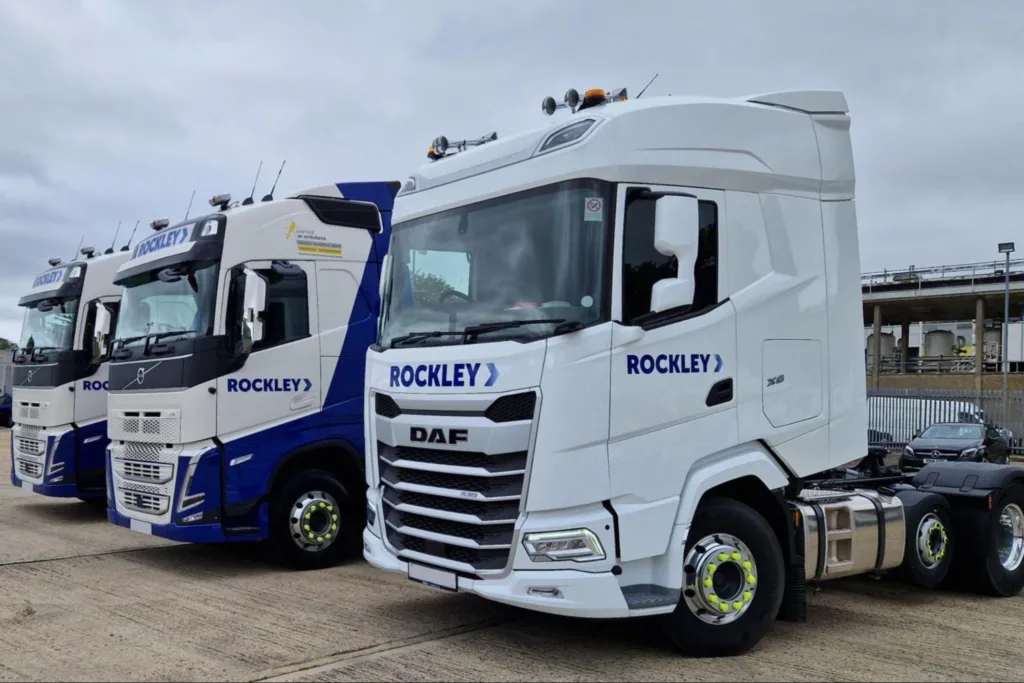
Small haulage companies often struggle with the financial burden of meeting new regulatory requirements, such as upgrading vehicles to meet emission standards, while larger companies are better equipped to absorb these costs.
- Operational Flexibility
Larger haulage companies benefit from more extensive resources, allowing them to quickly adapt to changing regulations, whereas smaller firms may face operational delays and limited flexibility in adjusting to new rules.
- Competitive Advantage
Large haulage companies often gain a competitive edge due to their ability to invest in advanced technology and compliance systems, while small companies may find it difficult to compete, potentially leading to market consolidation.
Strategies for Ensuring Regulatory Compliance
Here are some strategies haulage companies can use to overcome agricultural haulage challenges:
Implementing Robust Record-Keeping Systems
- Tracking Compliance
Implementing detailed record-keeping systems helps ensure adherence to regulatory standards by providing a clear audit trail for inspections, maintenance, and safety checks, which reduces the risk of penalties.
- Operational Transparency
A proper record-keeping improves transparency within haulage operations, allowing businesses to monitor vehicle performance, fuel usage, and driver behaviour, which helps in optimising efficiency.
- Data-Driven Decision Making
Comprehensive records allow agricultural haulage companies to analyse data for strategic planning, such as route optimisation, vehicle upgrades, or compliance investments, which enhances operational sustainability.
Regular Staff Training and Updates
- Compliance Awareness
Regular staff training ensures that drivers and operators are well-versed with the latest regulations, safety protocols, and industry standards, reducing the risk of non-compliance.
- Skill Enhancement
Providing updates and training improves staff proficiency in handling new technologies, route planning, and vehicle maintenance, resulting in more efficient operations and lower operational costs.
- Adaptability to Change
Ongoing education and updated training sessions help staff to stay informed about legislative changes and industry advancements, encouraging a proactive approach to regulatory challenges and operational improvements.
Utilising Technology for Compliance Management

- Real-Time Fleet Monitoring and Reporting
Advanced telematics and GPS tracking systems enable agricultural haulage companies to monitor their fleets in real time. These systems provide detailed reports on vehicle performance, driver behaviour, and route adherence, helping businesses stay compliant with regulatory requirements such as speed limits, working hours, and fuel efficiency standards significantly reducing agricultural haulage challenges.
- Automated Record-Keeping and Documentation
Digital platforms streamline the process of maintaining regulatory records, such as driver hours, vehicle inspections, and maintenance schedules. By automating the collection and storage of this data, companies can easily access up-to-date records for audits or inspections, ensuring compliance with safety and environmental regulations. This reduces paperwork, saves time, and ensures accuracy in documentation.
- Compliance with Emissions Standards
With regulations becoming stricter, particularly for agricultural vehicles, technology plays a key role in managing compliance. Emission monitoring systems can track fuel consumption and carbon output in real time, allowing companies to adjust operations and ensure adherence to environmental laws. In addition, the adoption of cleaner technologies such as electric or hybrid vehicles helps businesses meet these requirements while improving overall efficiency.
Balancing Compliance and Operational Efficiency
- Streamlining Processes Without Compromising Regulations
One of the key agricultural haulage challenges is finding ways to streamline operational processes while ensuring full compliance with stringent regulations. This involves integrating technology such as telematics systems, automated record-keeping, and route optimisation software, which allow businesses to monitor and manage their fleets more efficiently. By adopting these solutions, agricultural hauliers can reduce manual tasks, improve scheduling, and ensure that vehicles adhere to legal standards without the risk of non-compliance.
- Cost-Effective Compliance Solutions
Many small and medium-sized haulage companies struggle with the financial burden of meeting new regulatory requirements. However, by investing in cost-effective solutions such as digital compliance management systems and fuel-efficient vehicles, these businesses can meet legal standards without overspending. For instance, using fuel management software not only ensures compliance with emissions standards but also cuts fuel costs through optimisation. Such cost-effective strategies ensure that businesses can meet regulatory demands while protecting profitability.
- Leveraging Compliance for Competitive Advantage
Meeting and exceeding regulatory requirements can be a powerful tool for gaining a competitive edge in the agricultural haulage industry. Customers, especially those in the agricultural and food sectors, often opt for partners who demonstrate a commitment to safety, sustainability, and regulatory adherence. By leveraging compliance as part of their value proposition, agricultural haulage companies can build stronger reputations, enhance customer loyalty, and differentiate themselves in an increasingly competitive market.
Conclusion
Navigating agricultural haulage challenges is a critical aspect of ensuring smooth operations in the farm-to-market supply chain. The sector faces increasing pressure from evolving legislation, including stricter emission standards, safety requirements, and driver regulations. While these laws are essential for improving safety, environmental sustainability, and fair working conditions, they can also pose significant challenges for haulage companies, particularly smaller firms with limited resources.
To remain competitive and compliant, agricultural hauliers must adopt strategic approaches to managing these regulatory demands. Implementing robust record-keeping systems, investing in technology for real-time fleet monitoring, and automating compliance management are key steps in reducing the risk of penalties and operational disruptions. These measures not only ensure compliance but also improve overall efficiency by optimising routes, tracking fuel usage, and reducing vehicle downtime. Furthermore, regular staff training is crucial for equipping workers with the skills needed to operate in an increasingly complex environment.
As regulations continue to evolve, embracing technological advancements such as telematics, emission monitoring systems, and cleaner vehicle technologies will become increasingly important. By doing so, agricultural haulage companies can meet regulatory requirements, enhance sustainability, reduce operational costs, and improve service quality.