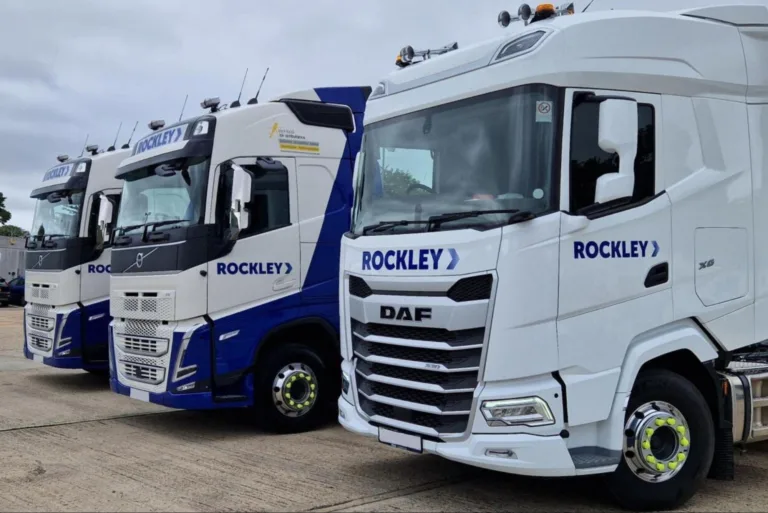
How Innovations Are Transforming Heavy Haulage Services
From AI that thinks faster than a control room full of planners, to self-propelled modular transporters, innovation is quietly rewriting the rules of what’s possible on the road.
Hauliers across the UK are swapping paper maps for predictive analytics, diesel-only fleets for cleaner alternatives, and guesswork for pinpoint digital visibility.
What does that mean for operators, clients, and the sheer logistics of moving the “unmoveable”? A smarter, safer, greener and far more precise era of heavy haulage, one where technology doesn’t replace expertise, but amplifies it.
Here we’re going to break down the 10 breakthrough innovations in heavy haulage, transforming the industry and why the future looks more efficient than ever.
- AI-powered Route Optimisation Is Cutting Time And Fuel

Imagine your planner has a superbrain: it pulls live traffic, weather, bridge-height limits, driver hours, and vehicle loads into a single view, then recalculates the best route in seconds. That’s AI-powered route optimisation and for heavy haulage, it’s a quiet revolution.
Heavy loads are expensive to move, and even a ten-minute hold-up, a diverted route, or an unplanned queuing charge can cascade into lost shifts, idle cranes, and stressed clients.
So how does AI actually save time and fuel? First, it ingests a far wider range of data than human planners can feasibly track: congestion heatmaps, weather forecasts, live roadworks feeds, predicted bridge load limits, and customer time windows.
Then, using machine learning models, it weighs trade-offs (shorter distance vs. fewer stops vs. lower emissions) and proposes dynamic routes that update in real time.
- Telematics And IoT Give Live Visibility And Control
If AI is the brain, telematics and IoT are the nervous system in bulk haulage innovation.
Oversized shipments have tight tolerances, tilt, temperature, tyre pressure, axle loads, and even slow structural shifts matter.
With wired/wireless sensors on hydraulic trailers, smart axle groups, and containerised loads, operators can watch load health in real time and receive alerts if something moves where it shouldn’t.
What does that mean day-to-day? First, visibility. Clients want to know where their £1m transformer is and when it will arrive.
Second, operational control. If a tyre pressure sensor flags an issue en route, the system can recommend the nearest approved stop and notify the maintenance team, avoiding catastrophic failures or long delays.
Third, safety and compliance: telematics records driver hours, route adherence and speed violations, helping with HGV driver hours enforcement and post-incident investigations.
- Predictive Maintenance Innovations In Heavy Haulage
Breakdowns are the enemy of heavy haulage.
A stranded convoy, a damaged trailer, or an unusable winch can cost tens of thousands in delay, labour, and equipment hire.
Predictive maintenance changes that playbook by shifting from “fix when it breaks” to “fix before it fails.”
The same telematics and sensor networks that give location data also stream vibration signatures, oil condition, temperature profiles and fault codes into cloud analytics.
Advanced algorithms detect patterns. For instance, increasing vibration at a hub that usually precedes bearing failure and triggers a maintenance task before catastrophic failure.
- Modular And Self-Propelled Transporters Expand What’s Movable
“Can we move that?” was once the first question on any complex project.
Today, modular trailers and self-propelled modular transporters (SPMTs) are the answer to loads that once seemed static.
These systems allow operators to assemble axle groups and hydraulic platforms to match weight, length, and steering needs precisely.
SPMTs enable the movement of hefty loads (hundreds of tonnes) with multi-directional steering and millimetre-level control.
Examples are everywhere in large infrastructure projects: wind farm components, bridge launches, and heavy plant relocations.
- Digital Freight Platforms Innovations In Heavy Haulage
Digital freight platforms are moving beyond parcel and FTL marketplaces into specialised heavy haulage coordination.
These platforms match complex moves with specialist carriers, coordinate permitting and handle document flows, all in one place.
Instead of calling a dozen contractors, a project manager posts requirements (dimensions, weight, route constraints, lift dates) and receives vetted proposals from firms that have the right kit and licenses.
It increases competition and transparency, as tenders are more visible and operators can compare costs, compliance, and capabilities more quickly.
Moreover, it reduces empty running by matching return legs or partial loads on compatible routes.
- Electrification And Alternative Fuels Are Reshaping Economics
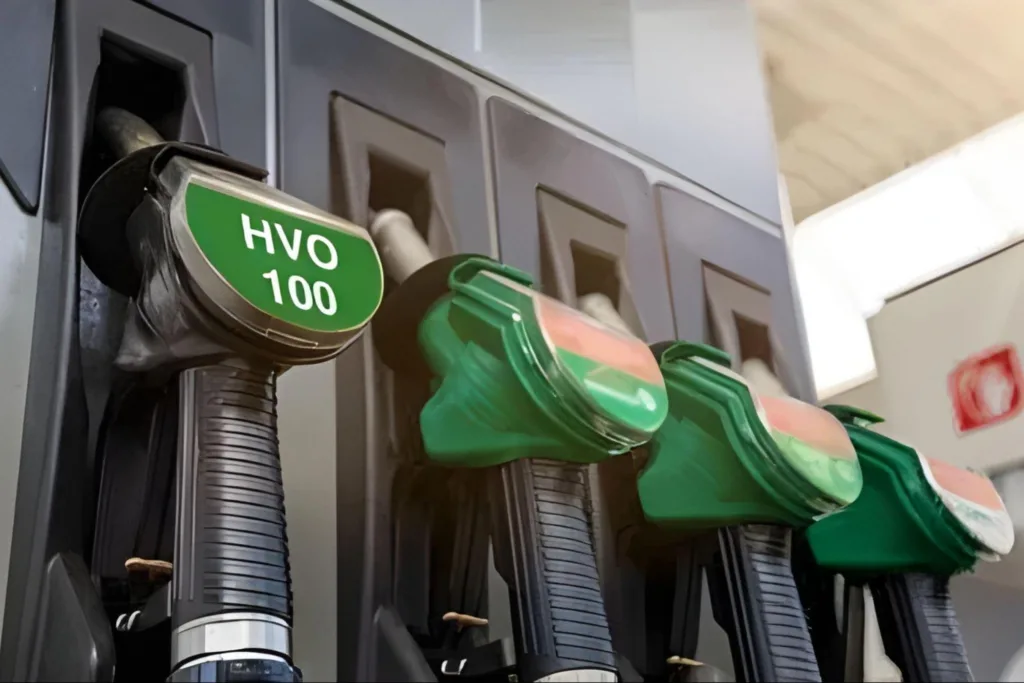
Alternative fuels, particularly HVO (Hydrotreated Vegetable Oil), are proving a pragmatic interim solution, as they can be used in diesel engines and can markedly reduce lifecycle CO₂ emissions.
Industry sources cite reductions of 70–90% depending on feedstock and lifecycle assumptions.
Therefore, operators can reduce their carbon footprint and comply with expanding Low Emission Zones without buying entirely new vehicles.
- Digital Twins And 3D Simulation De-Risk Complex Moves
Using LiDAR, BIM plans and road geometry, planners can simulate lift points, turning radii, overhead clearances, and even how wind will affect an elevated load.
In cities such as London, transport authorities are building operational digital twins that feed live data into simulations, allowing planners to test scenarios against current traffic conditions.
A virtual run can reveal an overlooked lamp post position, a problematic camber, or the need to divert utilities temporarily. Digital fixes translate into lower contingency costs in the real world.
- Advanced Safety Tech Heavy Haulage Technology
Safety tech in HGVs has moved well past ABS and basic mirrors.
Advanced Driver Assistance Systems (ADAS), including lane-keep assist, automatic emergency braking, blind-spot monitoring, and fatigue detection, are improving driver safety and reducing incident risk.
For heavy haulage, load-monitoring alarms, tilt sensors, and trailer sway detection are equally critical. A shifted load on a multi-axle trailer is an immediate hazard.
Combined with telematics and predictive maintenance, ADAS and load monitoring cut both frequency and severity of incidents.
- Data-Driven Innovations In Heavy Haulage

From telematics feeds to permit systems, digital freight platforms to maintenance logs, integrating datasets enables smarter pricing, better risk modelling, and clearer compliance trails.
Data analytics lets operators forecast demand, price complex moves accurately, and optimise asset utilisation across a project portfolio.
Operators are building dashboards that combine vehicle health, driver hours, fuel, permit status, and ETAs.
Investment in data governance, staff training, and integration removes the friction and unlocks compound benefits across the business.
- Cybersecurity & Standards-Based Innovations In Heavy Haulage
As haulage digitises, the attack surface grows. A cyber incident can freeze bookings, corrupt telematics data, or expose sensitive client information.
Operators are therefore investing in firewalls, secure APIs, encryption for telematics streams, and cyber staff training.
Standards-based integration (open APIs, industry data schemas) reduces the need for costly, bespoke point-to-point integrations. Cyber insurance is becoming common, but it’s no substitute for basic security hygiene.
Conclusion
Innovations in heavy haulage don’t replace the expertise of seasoned operators; they’re here to upgrade it.
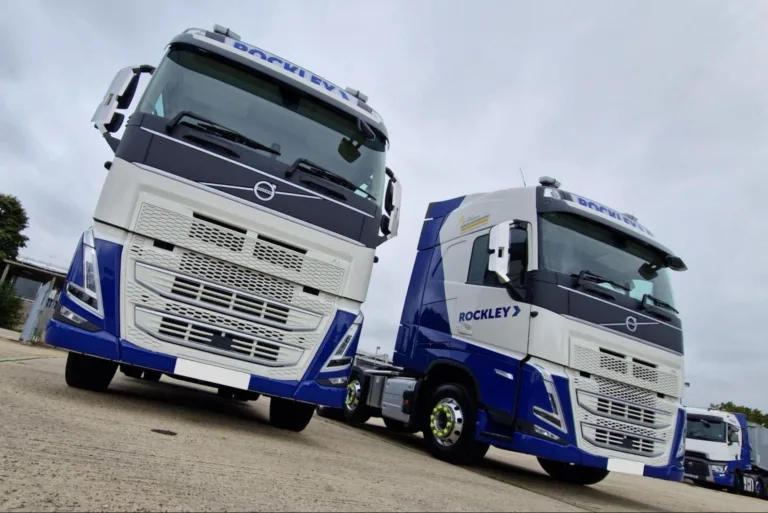
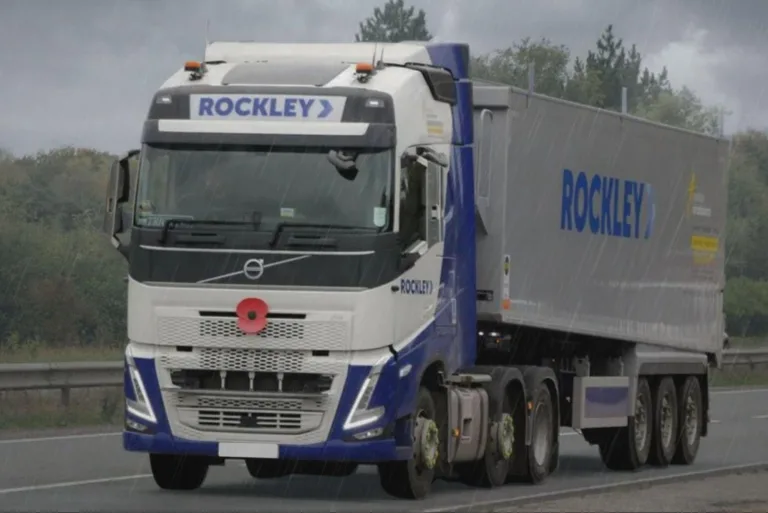
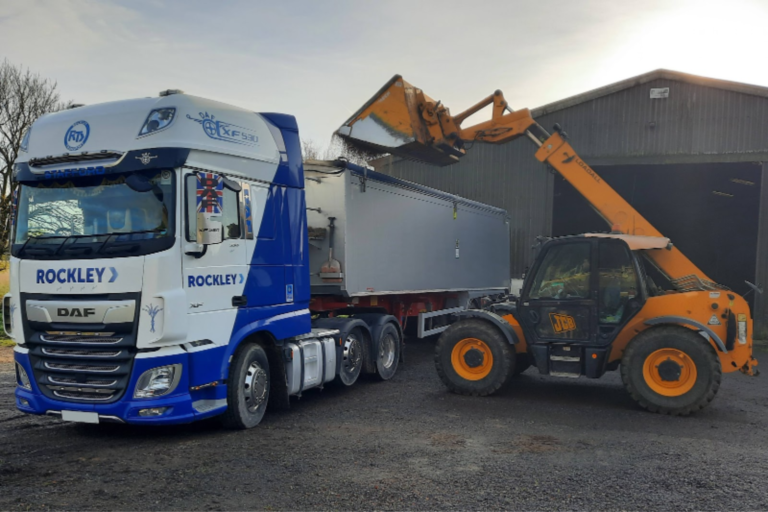
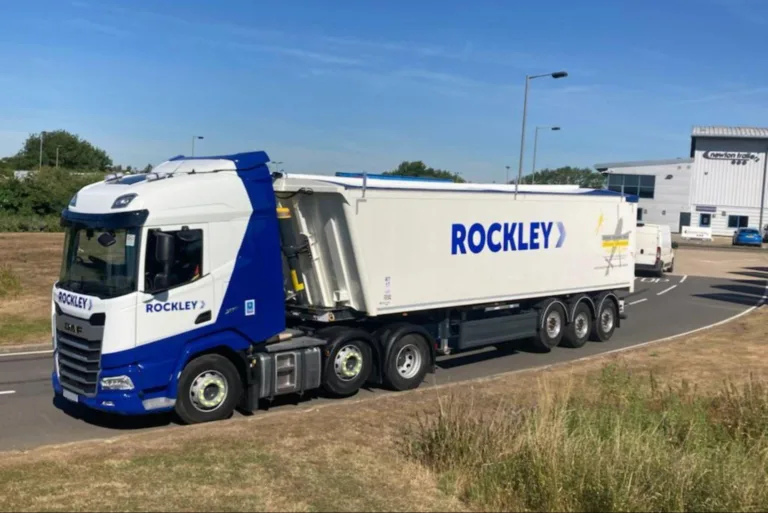
And if you’re looking for a partner who’s already ahead of this curve, one that blends experience with modern technology, Rockley Transport is the team you want on your side.
From complex heavy loads to time-critical project moves, they bring innovation, precision, and reliability together to keep your operations moving without stress.
Ready to future-proof your heavy haulage needs? Get in touch with us at Rockley Transport and let innovation do the heavy lifting.