What Is TASCC Certification? A Buyer’s Guide for UK Grain and Feed Shippers
When you are moving grain or feed materials, choosing a TASCC haulage provider is about more than finding a vehicle with the right capacity. The transport operation must protect the load’s integrity throughout its journey. TASCC certification helps ensure these standards are met.
That is where TASCC certification matters. TASCC registration also helps buyers and shippers verify compliance.
TASCC provides an assurance framework for businesses involved in the storage, merchanting, testing and haulage of combinable crops and related feed materials. For buyers, understanding what TASCC covers—and using the TASCC assurance checker to confirm that a haulier’s certification is current and correctly scoped—can help reduce food and feed safety risks across the supply chain.
What Is TASCC Certification?
TASCC stands for the Trade Assurance Scheme for Combinable Crops. It provides independent assurance that grain and other combinable crops are handled responsibly after leaving the farm and throughout the supply chain.
The Agricultural Industries Confederation (AIC) owns and manages the scheme, and it is independently audited and certified to ISO 17065. TASCC is voluntary, but it plays an important role in the UK’s assured food and feed supply chain and is required for trading under AIC contracts.
For a buyer, the key point is simple: TASCC helps demonstrate that a business has systems and controls to manage relevant food and feed safety risks.
What Does TASCC Cover?
TASCC is not just a transport certification. The scheme contains four main codes of practice:
- Haulage – transport of covered crops and feed materials
- Storage – storage of combinable crops
- Merchanting – buying and selling covered commodities
- Testing – testing combinable crops
The haulage element is particularly relevant when choosing a transport provider. TASCC haulage covers the movement of bulk combinable crops, dry feed materials and ingredients, compound animal feeding stuffs and certain seed movements. Using a TASCC-certified haulage provider gives extra assurance on transport standards.
That means a buyer should not simply ask whether a transport company is “TASCC registered.” They should confirm that its current certification covers the specific haulage activity required.
Why TASCC Matters for Grain and Feed Shippers
Grain and feed products can move through several businesses before reaching their final destination. Every stage creates an opportunity for contamination, incorrect handling, or loss of traceability.
TASCC helps establish controls around these risks.
For shippers, the benefits include:
Food and Feed Safety: Provides third-party assurance that appropriate controls are in place.
Contamination control: Haulage procedures address vehicle cleanliness and previous loads and materials unsuitable for TASCC vehicles.
Traceability: Controls and documentation ensure there is a clear audit trail.
Customer Confidence: A certified haulier can help meet the assurance expectations of customers and contracts, which builds customer confidence.
Supply-chain consistency: TASCC forms part of a wider assured chain connecting farms, merchants, hauliers, stores and end users.
TASCC doesn’t replace any legal food or feed safety obligations. It’s an assurance scheme that supports compliance and provides independent verification of relevant controls.
What Is TASCC Haulage Certification?
TASCC haulage focuses on the controls needed when transporting covered products.
This includes areas such as:
- Vehicle and trailer suitability
- Cleaning and hygiene procedures
- Controls on previous loads
- Management of excluded and sensitive materials
- Loading and tipping procedures
- Driver competence and food/feed safety awareness
- Records and documentation
- The audit and corrective-action process is performed.

An HGV driver inspecting a bulk trailer and completing a hygiene checklist for TASCC compliance.
Previous loads are particularly important. The TASCC haulage requirements include an exclusion list for materials that cannot be carried in TASCC vehicles. For second-hand trailers, operators also need evidence of previous use to show that they have not carried excluded materials.
The other element to consider is driver competence. TASCC-related CPC training includes food and feed rules, HACCP rules, cleaning and sanitising, excluded and sensitive materials, loading and tipping, and site health and safety.
For a shipper, these controls matter because the vehicle’s condition and history can directly affect the integrity of the product being transported.
How to Check a Haulier’s TASCC Status
Do not rely solely on a company’s website, paperwork, or verbal confirmation.
The AIC TASCC assurance checker provides public access to current certification information. Buyers can search by company, address, or postcode and filter results by scheme and certification status. The checker can also help those looking for UFAS checker details, as many assurance schemes are linked.
Before booking a haulier, check:
- The company name matches the business you want to contract.
- TASCC is listed as the scheme.
- Haulage is the sub-scheme that applies.
- The certification is current.
- The scope outlined is the work you require.
- The certification has not expired or been suspended.
The scope matters. A company may participate in an AIC assurance scheme, but that does not automatically mean its certification covers every type of transport or activity.
TASCC Registration vs Certification: What Buyers Should Confirm
The terms “registration,” “participation,” and “certification” can be confusing.
For procurement purposes, focus on the current certified status and scope of the haulier.
The AIC checker provides certification status and expiry information, making it a useful starting point when verifying a supplier.
If your shipment has specific contractual or assurance requirements, confirm these with both the haulier and the relevant customer or scheme requirements before booking.
Questions to Ask Before Booking a TASCC Haulier
Use this quick checklist when comparing transport providers:
- Is your TASCC certification current?
- Does your certification cover TASCC haulage?
- Does the scope cover the type of material I need transported?
- How do you control previous-load and contamination risks?
- How do you clean vehicles between relevant loads?
- Are your drivers trained in TASCC food and feed safety requirements?
- What documentation and traceability records do you provide?
- Can you accommodate my loading and delivery requirements?
- Can I verify your certification through the AIC assurance checker?
A good haulier can answer these questions clearly, not just “fill in the boxes.”
How Rockley Transport Supports TASCC Bulk Haulage
For grain and feed shippers, compliance needs to work alongside dependable transport.
Rockley Transport provides bulk haulage with the practical controls needed to support assured movements. That means considering vehicle suitability, cleanliness, load requirements, documentation, and delivery coordination—not simply moving a load from one location to another.
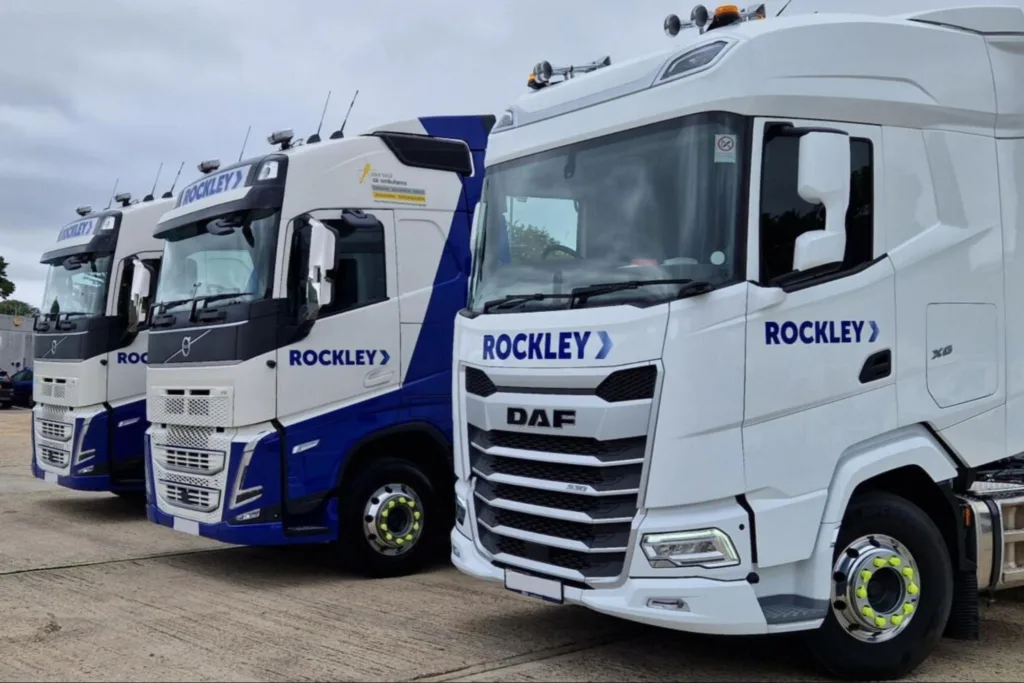
Rockley Transport co-ordinator ensures all documentation and planning are in place for your UK bulk grain and feed transport.
For customers in food and feed supply chains, the aim is straightforward: to protect product integrity while providing reliable bulk transport from collection to delivery.
When choosing a haulier, certification is one part of the decision. You also need a transport partner that understands the operational requirements behind the certification and can deliver consistently.
Need a TASCC Haulage Partner?
If you ship grain, feed materials, or other covered bulk products, the right haulage partner can help you manage compliance requirements and day-to-day delivery demands.
Need a TASCC haulage partner for grain or feed movements? Contact Rockley Transport to discuss your bulk transport requirements.
Before you book, check the certification. Then look beyond the certificate and make sure the haulier can deliver the reliability, controls, and communication your supply chain requires.